
The Hidden Struggles of Athletes After Retirement:
The First Death Nobody Talks About
Retirement from professional sports is often viewed as the culmination of an athlete’s career—a time for celebration, rest, and the rewards of a long and successful journey. But for many athletes, retirement marks the beginning of a battle that no one talks about: the emotional and psychological toll of transitioning from a life defined by competition, glory, and purpose to one of uncertainty and identity loss.
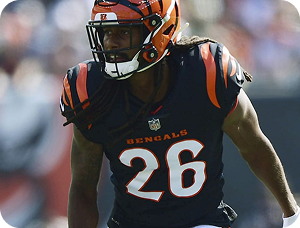
In “Athletes Die Twice”, Trae Waynes sheds light on what he calls the “first death” of an athlete—the moment when their athletic career ends, and their identity as a professional athlete fades away. This first death, however, isn’t a literal one. It’s the loss of an identity so tightly woven into an athlete’s self-image that the transition can feel as profound as a life-altering event. And yet, it’s a topic that’s rarely discussed in the mainstream media.
The First Death: The Loss of Identity
For most athletes, sports aren’t just a career—they’re an identity. From the moment they step onto the field, they’re defined by their ability to perform, to compete, to win. Their daily routine revolves around training, games, and staying in top physical condition. Their identity often reflects how well they perform in the spotlight, with every game adding to a legacy they’ve built over years, or even decades. But what happens when that comes to an abrupt halt?
Trae Waynes, in his memoir, explores how the end of an athletic career is akin to mourning a version of yourself that you can never get back. There is no standing ovation, no grand farewell. Instead, there’s just silence. The locker room empties, the fans’ cheers fade, and the career that once defined you is over. The sense of purpose that once existed in every game is gone.
This transition is often unspoken. When athletes retire, they’re expected to move on, to adapt, and to find a new purpose. But for many, the void left by the end of their athletic careers is enormous. Without a sport to define them, they feel like they’ve lost a part of themselves. For years, the game was everything; now, it’s nothing.
The Mental Health Struggles No One Talks About
It’s easy to assume that once an athlete has made it to the highest level, the worries of ordinary life—financial stability, mental well-being, purpose—are a thing of the past. But the reality is much more complicated. The end of a career can lead to depression, anxiety, and an overwhelming sense of loss.
According to a study by the National Institute for Occupational Safety and Health (NIOSH), retired athletes, especially those who had long careers, are at risk for developing mental health issues. The transition out of professional sports can lead to higher rates of depression, anxiety, and even substance abuse. In a world where athletes are conditioned to tough it out, to push through physical pain without complaint, mental health struggles are often masked by pride and the stigma of appearing weak.
For many, the identity crisis doesn’t just involve losing the game. It also involves losing status, social circles, financial rewards, and the sense of accomplishment that comes with being a professional athlete. Athletes who were once celebrated heroes now find themselves leading quiet lives outside the spotlight, and the stark contrast can be difficult to handle.
In “Athletes Die Twice”, Wayne delves into how retired athletes are often left to figure out life on their own, with no support system in place. Many athletes enter retirement with little to no plan for the future. The game was their life, and now that it’s over, they don’t know what’s next.
The Phantom Limb of Purpose
One of the most poignant parts of Wayne’s narrative is his description of the “phantom limb” of purpose. As amputees feel sensations in limbs that are no longer there, retired athletes often feel the absence of the career that once gave them meaning. This sense of loss isn’t something that’s easily fixed. It’s a type of grief that isn’t acknowledged by society, so it’s often internalized.
Without the daily grind of training, the thrill of competition, and the satisfaction of performing in front of thousands, athletes are left to face the uncomfortable question: Who am I now?
This is where many retired athletes struggle. The transition to a new identity is not just about finding a new job or pursuing a new hobby. It’s about rebuilding a sense of self that doesn’t rely on performance. For many, the concept of “purpose” has been entirely linked to their athletic achievements, and without that, they’re left searching for something that feels meaningful again.
Coping with the First Death: Finding a New Identity
The good news is that there are ways to cope with the first death, and many athletes have found success after retirement by embracing the challenge of reinvention. The key is recognizing that life after sports doesn’t have to be defined by the loss of identity—it can be an opportunity for growth.
In “Athletes Die Twice”, Wayne reflects on how he was able to reframe his purpose and find new passions after football. While the road to rediscovery wasn’t easy, it was ultimately fulfilling. Athletes who can embrace their new life beyond the game often find meaning in helping others, advocating for mental health, and pursuing new ventures. Some start businesses; others turn to coaching or mentorship; others focus on giving back to their communities through charitable work.
Finding a new purpose after sports doesn’t happen overnight, but it begins with acceptance. Athletes need to allow themselves to mourn the loss of their identity and then explore what comes next. It’s not about replacing what was lost—it’s about creating something new.
Moving Forward: The Importance of Support
Retired athletes must not navigate this transition alone. Support from family, friends, and even mental health professionals can make a significant difference in an athlete’s ability to move forward. Mental health awareness is improving, and more resources are now available for athletes struggling with the transition to life after sports.
Trae Waynes’ “Athletes Die Twice” serves as both a personal reflection and a call to action. By sharing his own struggles, Wayne opens up a conversation that needs to be had—the one about the emotional and psychological toll of retirement. He provides a roadmap for others, showing that while the first death may be painful, it is not the end. It can be the beginning of a new chapter.
Conclusion
The first death of an athlete is a powerful metaphor for the emotional and psychological challenges that accompany retirement. It’s the death of an identity, a life centered on competition, and a career that once defined who they were. But it doesn’t have to be the end of the story. By embracing the transition and seeking support, athletes can rediscover their purpose and find fulfillment beyond the field. “Athletes Die Twice” offers a window into this hidden struggle and reminds us that, like all of us, athletes are human too—and their journey does not end when the final whistle blows.