
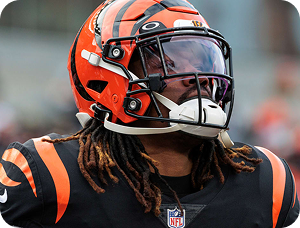
The First Death:
Why Retirement Hits Athletes Harder Than Anyone Realizes
Opening
Most people think an athlete’s career ends when they stop playing.
They’re wrong.
The game ends long before the emotional battle does.
For years, athletes are told who they are. They’re the football player, the basketball player, the wrestler, the track star. Their schedules, relationships, goals, and identities become intertwined with competition. Then one day, whether it’s because of injury, age, or a roster decision, it’s over.
The spotlight disappears.
The phone stops ringing.
The structure that once dictated every hour of the day is gone.
And a new question emerges:
Who am I without the game?
In Athletes Die Twice, I call this moment the first death—the loss of the identity that sports helped create.
The Loss Nobody Talks About
When athletes retire, the conversation usually focuses on statistics, championships, contracts, or injuries.
Rarely does anyone talk about the emotional fallout.
There are no headlines about sleepless nights spent replaying old games. No box scores tracking depression, anxiety, or the loss of purpose that often follows retirement. Many athletes spend years learning how to suppress emotions, push through pain, and stay focused under pressure. Those skills can be valuable during a career, but they can become obstacles when it’s time to process what has been lost.
The result is a struggle many athletes face in silence.
When the Structure Disappears
Athletes live highly structured lives.
Every workout, practice, meeting, meal, and game serves a purpose. Goals are clear. Expectations are defined. Progress is measurable.
Then suddenly, none of it exists.
The routine that once provided direction disappears overnight.
For some athletes, retirement is planned. For many others, it arrives unexpectedly through injury, roster cuts, or circumstances outside their control. Regardless of how it happens, the transition can feel like stepping into unfamiliar territory without a map.
More Than an Athlete
One of the most dangerous traps athletes fall into is believing that their value exists only within their sport.
The public often sees athletes as performers, brands, or statistics. Fans know the highlights. They know the accomplishments. What they rarely see is the human being behind the uniform.
When the career ends, many athletes realize they spent years developing their athletic identity while neglecting other parts of themselves.
That realization can be painful.
But it can also be the beginning of something powerful.
Building a Second Life
The skills that create successful athletes don’t disappear when the game ends.
Discipline.
Resilience.
Work ethic.
Leadership.
The ability to perform under pressure.
These qualities can be applied to business, family, entrepreneurship, coaching, education, and countless other pursuits.
The challenge is learning to redirect those strengths toward a new mission.
Athletes who begin exploring interests outside of sports while they’re still competing often navigate retirement more successfully. They understand that their identity is bigger than a jersey, a contract, or a championship ring.
The Importance of Family and Support
During the transition, family often becomes the foundation that keeps athletes grounded.
Spouses, children, mentors, and close friends provide something sports cannot: unconditional value that isn’t tied to performance.
These relationships remind athletes that they matter not because of what they achieve, but because of who they are.
For many former athletes, that realization becomes one of the most important lessons of their lives.
The First Death Is Not the End
The first death is painful.
There is no way around it.
But it doesn’t have to be the end of the story.
In many ways, retirement presents an opportunity to build a more complete identity than the one that existed during a playing career. It creates space to discover new passions, strengthen relationships, and pursue goals that extend beyond the field.
The game may end.
The uniform may come off.
But purpose doesn’t disappear with either one.
Sometimes the first death is actually the beginning of the most meaningful chapter an athlete will ever live.